
Slab leak repair comes down to four choices: fix the one spot, reroute the line around the slab, line the pipe with epoxy, or replace the lines by repiping. Which one makes sense depends on how many leaks you have, what the pipe is made of, and where the water is going.
Before any of that, confirm you have a slab and a leak. Plenty of wet floors in this part of South Carolina have nothing to do with the pipes. This guide covers the signs, the options in plain terms, and a simple meter test that tells you whether the water is coming from your plumbing at all.
Does your house sit on a slab?
A slab foundation is a poured concrete pad at ground level, with no crawl space or basement beneath it. Walk around the outside and look at the base of the walls. If the brick or siding sits near the soil and you see no foundation vents or access hatch, the floor is probably a slab. The home's original plans or a pre-purchase inspection report will also say.
On a slab, supply lines can run in the concrete itself or in the soil just beneath it, depending on how the house was built. Drain lines usually run beneath it. That is why a break can sit under flooring you cannot see, and why a plumber needs leak-detection tools to find it before cutting anything.
Signs of a slab leak
One sign is a hint. Several together are worth a call.
- A water meter that moves when every fixture and appliance is off
- A water bill that jumps with no change in how many people live in the house
- A floor that feels warm in one spot (a hot water line may be leaking beneath it)
- The sound of running water when everything is shut off
- Wet or discolored flooring, lifted laminate, or carpet that smells musty
- Cracks in walls or baseboards that pull away from the floor
- Low water pressure at several faucets with no clog
A warm spot on the floor is one of the most specific signs, because a hot line leaking beneath the slab heats the concrete above it.
Slab leak repair options compared
Each option solves a different problem.
| Option | What it is | Best when | Watch out for |
|---|---|---|---|
| Spot repair | Cut the slab at the leak, fix the pipe, patch the concrete | One leak, pipe otherwise sound, leak location is exact | Other weak spots may fail later, flooring above is disturbed |
| Reroute | Abandon the leaking line and run a new one through walls or attic | A line under the slab keeps failing or access is hard | New lines are visible or in walls, drywall work follows |
| Epoxy lining | Coat the inside of the pipe with resin to seal it | Pinholes or small leaks in an otherwise open pipe | Not for large breaks, and pipe must be cleaned first |
| Repiping | Replace the supply lines throughout the house | Repeated leaks, failing pipe material, many old fittings | Largest scope, walls and finishes are opened up |
Leak detection should come first, so the repair matches what is actually broken.
Ready to book?Call and we will find the earliest slot, often the same day when the schedule allows.
Call (855) 575-2890How the plumber finds the leak before cutting
Finding the leak uses sound and heat, not guesswork. Electronic listening gear picks up the hiss of pressurized water in the pipe, and a thermal camera shows warm patches where a hot line is losing water into the concrete. Pressure tests isolate which line is leaking by shutting parts of the system off one at a time.
That process is what leak detection means in practice, and it is worth doing before any floor is cut. The goal is a hole as small as the repair allows, in the right place, so you do not pay to open concrete twice.
Once the location is known, the discussion turns to which of the four repair options fits, and that is where the next sections come in.
Spot repair, reroute, epoxy lining and repiping in plain terms
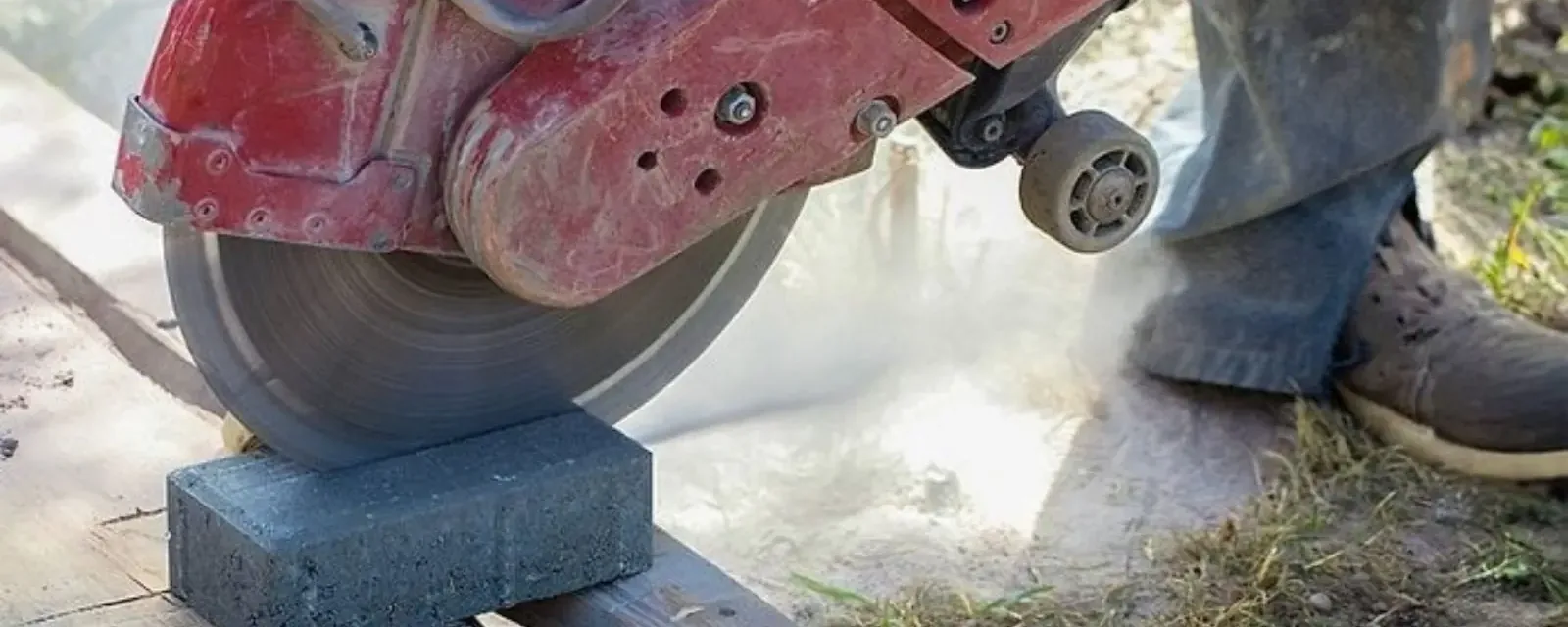
Spot repair is the direct fix. The plumber breaks through the slab above the leak, replaces the damaged section, and patches the concrete. It works well when the pipe is in good shape and the break is a one-off, and it is the option people reach for first. See our slab leak repair page for how that job is handled.
Rerouting skips the slab. Instead of digging to the failed line, the plumber caps it off and runs a new line overhead or through walls to the same fixtures. It avoids repeated concrete work if a section keeps failing, though it moves pipes into places where you can see or reach them.
Epoxy lining and repiping sit at opposite ends. Lining coats the inside of existing pipe to seal small leaks, and it needs open, cleanable copper to work. Repiping means replacing the supply lines, and our repiping service covers whole-house replacement when the pipe itself is the problem.
What affects the price of slab leak work
Slab work is priced by scope, so ask what is included.
- Leak location
- A leak under a hallway is a smaller opening than one under a tiled kitchen or a bathroom with fixtures to move.
- Method
- Spot repair, reroute, lining and repiping carry very different labor, so compare scopes and not just totals.
- Flooring above
- Tile, hardwood and carpet are removed, protected or replaced differently, and the work is often priced apart from plumbing.
- Number of leaks found
- One break in a sound line is a different job from several breaks in aging pipe.
- Restoration
- Concrete patching and finish repair after the plumbing work can be a separate line item.
Homeowners policies sometimes cover sudden water damage but not the cost of repairing the pipe itself or gradual leaks. Call your carrier before you start repairs and photograph everything.
Call for a clear price before work starts, written to match the repair option you choose.
When this becomes an emergency
If water is rising through the floor, pooling across a room, or reaching outlets and appliances, shut off the main water valve. If you can reach the panel while standing on dry ground, switch off the breakers for wet areas. If not, stay out and call 911 or the electric utility. Then call. Active flooding is a slab leak emergency and a burst pipe problem both, and it will not wait for the next business day.
Homeowners in Goose Creek and Ladson can call about this too, and the first answer is the same. Shut the water off at the main, then let a plumber confirm where the line failed.
Hanahan local note: a wet floor after heavy rain is not automatically a leak
The National Weather Service in Charleston describes the October 1 to 5, 2015 flooding as bringing widespread amounts of 15 to 20 inches of rain and localized amounts over 25 inches in the Charleston tri-county area. That source gives no Hanahan-specific totals, so use it only as context: this region can receive rain heavy enough to push water through foundation cracks and under doors.
That matters for your decision. Water on a slab floor after a downpour can come from outside, through the perimeter or up through cracks, with nothing wrong in the pipes. Paying for slab work to chase a rain problem wastes money and leaves the real source untouched.
The meter test separates the two cases. Shut off every fixture and appliance, then read your meter, wait without using water, and read it again. If the dial or flow indicator is moving while the house is off, water is leaving your system and a plumber should look. If the meter is still while the floor is wet, check grading, gutters and the slab edge before anything else.
- Sources checked (National Weather Service Charleston event summary, Water utility (CWS) meter-check guidance)
- NWS Charleston, Historic Flooding October 2015
- Charleston Water System, High Bills and Leaks
Frequently asked questions
Can a slab leak fix itself?
No. Pressurized water keeps escaping, and the damage under the concrete grows. Shutting off the main buys time, but the pipe still has to be repaired or replaced.
Is a warm spot on the floor always a slab leak?
No. In-slab heating, sun through a window or a water heater closet can warm a floor. A warm spot with a moving meter and a rising bill is a strong sign, and a plumber can confirm it with listening and thermal tools.
Do I have to leave the house during slab leak work?
Often you can stay, though dust, noise and a shut-off water supply make it a tough few days. Ask the plumber about water access, dust containment and which rooms will be closed.
Does epoxy lining work on every pipe?
No. It suits open, cleanable pipe with small leaks. Large breaks, badly corroded sections and pipes that cannot be cleaned or reached are better served by replacement.
How do I tell a Hanahan slab leak from a rain problem?
Run the meter test with every fixture off. A moving meter points to your plumbing. A still meter with a wet floor after a heavy storm points to drainage, grading or a foundation crack, and a plumber can still confirm.